

Mare Street rubbish removal guide for flats in E8
Posted on 29/05/2026
Mare Street Rubbish Removal Guide for Flats in E8
If you live in a flat on Mare Street, you already know the small frustrations that come with getting rid of bulky rubbish. The lift is tiny, the stairs are awkward, the bin store is full by Tuesday, and that old sofa suddenly feels twice as heavy once it reaches the hallway. This Mare Street rubbish removal guide for flats in E8 is here to make the whole thing simpler, safer, and far less stressful.
Whether you are clearing out a one-bed apartment near Hackney Central, shifting renovation debris from a top-floor flat, or just trying to get a few unwanted items gone without upsetting neighbours, the process is a bit more nuanced than a standard house collection. Timing matters. Access matters. Noise matters. And, truth be told, the wrong approach can create a mess fast.
In this guide, you will find clear steps, practical advice, local context, and a few common-sense checks that people often miss. We will cover how flat-based rubbish removal usually works, what to do before collection day, how to avoid problems in shared buildings, and when it makes sense to use a dedicated service such as rubbish collection in Hackney or a broader waste clearance service in Hackney.
For many residents, the biggest win is simply getting the job done without drama. No dragging furniture down a narrow stairwell at 7am. No guessing where the waste should go. Just a clean, efficient clearance and one less thing to think about.
Why Mare Street rubbish removal guide for flats in E8 Matters
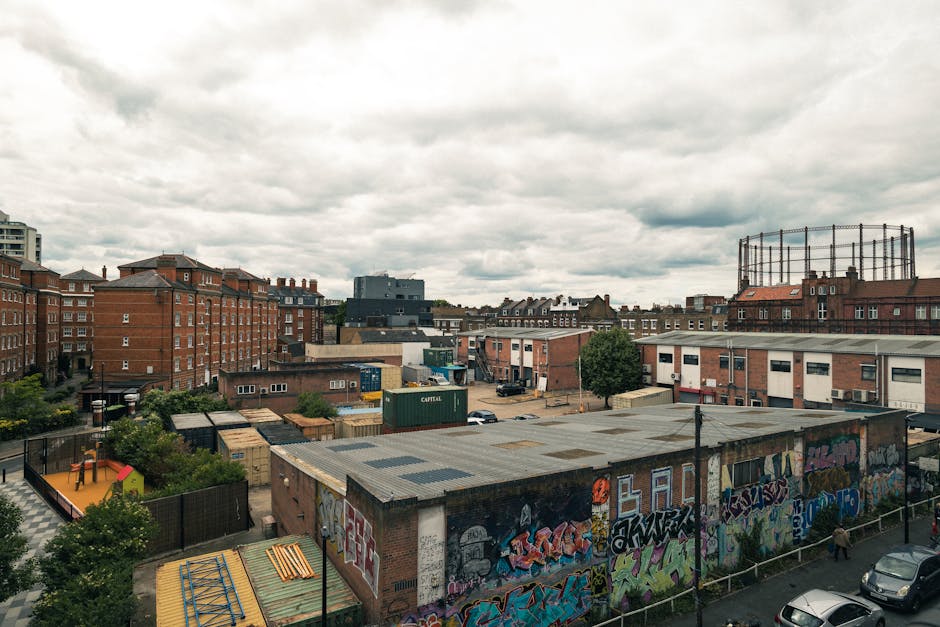
Mare Street sits in one of those parts of Hackney where busy roads, dense housing, and shared entrances all combine to make rubbish removal slightly more complicated than people expect. Flats in E8 often have limited external space, shared bin areas, controlled access, and neighbours who are not exactly thrilled by a corridor full of old wardrobes at tea time. Fair enough, really.
This matters because flat clearance is not just about lifting waste out of a property. It is about moving items safely through a shared building, keeping communal areas tidy, avoiding obstruction, and choosing the right disposal method for the type of waste you have. A quick job can become a headache if you do not think it through.
There is also the local rhythm of the area to consider. Mare Street is busy. Deliveries, foot traffic, parking limitations, and the stop-start flow of urban life all affect how smoothly a collection can happen. If you are trying to clear a flat before a tenancy change, a sale, or a refurbishment, the last thing you want is wasted time waiting for the wrong vehicle or an access issue that could have been avoided.
That is why a local, flat-specific approach is useful. It helps you plan around the building, the street, and the rubbish itself. And if you are coordinating a bigger clear-out, it can help to look at related services like house clearance in Hackney or furniture disposal in Hackney, depending on what you need gone.
How Mare Street rubbish removal guide for flats in E8 Works
In practical terms, flat-based rubbish removal usually follows a simple pattern: assess the waste, plan access, remove items, and dispose of them responsibly. The details, though, are where things get interesting.
First, you identify what needs to go. That might be a single sofa, a broken bed frame, bags of mixed household waste, old appliances, or leftover debris from a redecorating job. Then you work out the route from the flat to the collection point. Sounds obvious. It isn't always. Shared stairwells, coded doors, lift restrictions, and tight corners can all affect what can be removed in one visit and what needs extra care.
For many flats on or near Mare Street, the service provider will need a few basics:
- the floor number and whether there is a lift
- parking or loading access nearby
- the type and approximate amount of waste
- any heavy or awkward items
- any building access restrictions, such as entry codes or concierge rules
Once those details are clear, the collection can be arranged more efficiently. In some cases, a small team can remove items from inside the flat. In others, waste may need to be carried down carefully in stages. A proper service will think about protecting walls, floors, and communal areas, not just hauling things out as quickly as possible.
If you want a broader overview of what a good provider can handle, the services overview page is useful for understanding the range of options. For residents who are moving out or stripping a property bare, loft clearance in Hackney can also be relevant when extra storage spaces have quietly filled up over the years.
Key Benefits and Practical Advantages
The main benefit is obvious: you get your space back. But for flats in E8, the real advantages go a bit further than that.
Less physical strain. Anyone who has tried to carry a fridge or three stuffed bin bags down a narrow staircase knows the problem. Flat removal avoids needless lifting and awkward manoeuvres.
Less disruption to neighbours. A tidy, planned collection is much easier to live with than a drawn-out DIY clear-out that blocks hallways and creates noise for half the morning.
Better use of time. If you are between tenants, preparing to sell, or just trying to get a room back in order, speed matters. A professional collection can shrink what might have taken you an entire weekend into a much shorter job.
More responsible disposal. Good waste clearance is not just about taking things away. It is about separating recyclable material, dealing with suitable waste streams properly, and reducing the amount that ends up in landfill where alternatives exist. You can read more about the broader approach on the recycling and sustainability page.
Less risk of complaints or fines. Leaving rubbish in shared spaces or on the street for too long is asking for trouble. Nobody wants to be that flat. Nobody.
There is also a calmer, less measurable benefit: the relief of having the job handled properly. When the hallway is clear, the flat feels bigger. The air feels lighter. That odd little sense of "I'll deal with it later" disappears.
Who This Is For and When It Makes Sense
This guide is useful for more people than you might think. Flat clearances in Mare Street and the wider E8 area come up in all sorts of everyday situations.
- Tenants moving out at the end of a tenancy and needing to clear bulky items fast
- Landlords preparing a flat for re-let after an occupancy change
- Homeowners who have accumulated furniture, boxes, or general waste over time
- Buy-to-let sellers getting a property ready for viewings or handover
- Renovators dealing with broken fixtures, packaging, and light construction debris
- Property managers needing a reliable way to clear abandoned items from shared buildings
Sometimes the need is obvious. The spare room is full, the sofa is beyond repair, and the council bin is not going to solve it. Other times, the trigger is less dramatic. A flat sale is moving forward, a new tenant is due in, or the communal area has become cluttered with items that really should have gone weeks ago.
If you are planning a wider move, the article on how to sell your Hackney home can help you think about presentation and timing. And if you are in the middle of a property decision, investing in Hackney real estate advice offers a useful wider context for why a clear, well-kept flat often matters more than people first realise.
Does every flat need a same-day collection? Not always. But if waste is blocking access, creating safety risks, or stopping a room from being used properly, it is usually time to act.
Step-by-Step Guidance
If you want a smooth flat clearance, a bit of planning makes all the difference. Here is a practical step-by-step approach that works well on Mare Street and similar E8 blocks.
- Sort the waste into rough categories. Separate furniture, bagged rubbish, electrical items, recyclable materials, and anything potentially hazardous.
- Measure large items. A quick check on widths and heights can prevent a "will this actually fit through the door?" moment later on.
- Check the building access. Make sure you know the entry codes, lift limits, and any time restrictions.
- Clear a route. Move small objects, shoes, prams, plant pots, and anything else that could trip someone or slow the team down.
- Decide what stays and what goes. Sounds basic, but people often realise too late that they meant to keep the bedside cabinet. Happens all the time.
- Choose the right service level. A few bin bags are very different from a full room clearance or bulky furniture removal.
- Book a time that suits the building. Mid-morning is often easier than the school-run rush or late evening when everyone is tired and grumpy.
- Be ready for collection. Keep keys, parking details, and any special instructions handy.
- Check the cleared area before the team leaves. Make sure nothing has been missed and that shared spaces are left tidy.
One small but useful tip: if your waste is spread across several rooms, start with the biggest pieces first. Removing a mattress and wardrobe early creates space, and that makes everything else feel easier. It also stops the flat from looking more chaotic than it really is.
For mixed domestic waste or a pile that has grown over time, rubbish collection in Hackney is usually the most straightforward route. If the job has expanded into a bigger reset of the property, waste clearance in Hackney may be the better fit.
Expert Tips for Better Results
Here is where small decisions save time, stress, and sometimes money.
Photograph the waste before booking. A few clear photos help estimate volume and identify awkward items. It also reduces misunderstandings. No one enjoys a surprise pile-up at the door.
Be honest about access. If the lift is out of service or the road is awkward for parking, say so upfront. The right planning can turn a difficult job into a manageable one.
Group similar items together. For example, keep furniture separate from bagged rubbish and electricals. This makes sorting easier and can improve recycling outcomes.
Think about timing around neighbours. In a flat, the best collection time is not always the earliest one. A careful mid-morning slot may be more neighbour-friendly and less rushed.
Protect the route. If you are carrying items through tight hallways before collection, lay down a temporary covering if needed. A scratched wall is annoying. A chipped banister is worse.
Keep one eye on re-use. Some items may still be suitable for reuse, depending on condition. A solid table or a working chair is not the same as damaged waste. It pays to think before everything gets lumped together.
And a little practical reality: in shared buildings, half the battle is communication. Let neighbours know if there will be a short period of movement, especially if items are bulky. A quick heads-up can prevent a lot of unnecessary friction.
Common Mistakes to Avoid
Most problems with flat rubbish removal are avoidable. The tricky bit is that they usually seem minor until they are not.
- Leaving waste in the corridor. This is a fast way to create obstruction and complaints.
- Underestimating volume. Two bags can become six bags very quickly once you start sorting.
- Forgetting access details. A locked entrance, missing fob, or parking problem can stall the whole job.
- Mixing hazardous items with normal waste. Paint, chemicals, sharp materials, and certain electrical items need extra care.
- Choosing a service without checking what is included. Make sure the quote matches the actual job, not just the hopeful version in your head.
- Assuming all waste can be handled the same way. Furniture, builder's debris, garden waste, and household rubbish may all need different handling.
One of the most common issues in flats is simply poor staging. People stack everything near the door, then realise the hallway is blocked. It sounds small, but in a narrow building, that can make the collection awkward for everyone involved.
If you are dealing with renovation leftovers, it may help to look at the more targeted builders waste disposal in Hackney service rather than treating the job as ordinary household rubbish. Different waste streams need different handling, and that distinction matters.
Tools, Resources and Recommendations
You do not need a huge kit to prepare for rubbish removal, but a few simple tools make life easier.
- Strong bin bags or rubble sacks for loose waste
- Labels or masking tape to mark items you want to keep
- Measuring tape for bulky furniture and awkward clearances
- Gloves for sorting sharp or dusty items
- Phone camera for photos when requesting a quote
- Basic dolly or sack trolley if you are moving items inside your flat before collection, provided it is safe to do so
On the service side, it is worth checking whether the provider can handle the specific type of item you have. For example, a heavy sofa, a broken wardrobe, or mixed flat contents may fit better under a dedicated furniture or clearance service. The furniture disposal page is a helpful reference if your main headache is bulky household pieces.
It can also be useful to read about how the company handles trust and customer care. That may sound a bit dry, but not really. Things like insurance and safety, payment and security, and pricing and quotes are exactly the sort of pages that tell you whether the process is organised properly.
If you want to understand the company behind the service, the about us page is a sensible place to look. It gives you a better feel for whether the business is used to handling local collections and the realities of Hackney properties.
Law, Compliance, Standards, or Best Practice
For rubbish removal in flats, the big compliance point is simple: waste should be handled responsibly and not dumped, fly-tipped, or left in communal areas where it creates a nuisance or hazard. You do not need to become a legal expert to stay on the right side of things, but you do need to use a service that takes duty of care seriously.
In practical terms, that means a few things:
- waste should be collected and transported safely
- items should be sorted appropriately where possible
- hazardous or specialist waste should not be treated like ordinary rubbish
- shared access areas should be kept clear
- you should avoid blocking fire exits or escape routes
For flats, best practice also includes building courtesy. Notify the right people if needed, avoid noisy carry-outs during unsociable hours, and make sure large items are not abandoned outside the property. That last one causes more issues than most people expect.
If sustainability matters to you, it is worth asking how reusable or recyclable materials are treated. You do not need a lecture. You just need reassurance that the waste is being dealt with in a sensible, traceable way. That is part of what a good local clearance service should provide.
There is also a broader social responsibility angle. Many customers like to know that the businesses they hire follow ethical standards. Pages such as the modern slavery statement and terms and conditions help show that the operator takes governance seriously, even if you are only booking a small flat clearance.
Options, Methods, or Comparison Table
There is more than one way to deal with rubbish from a flat. The right choice depends on volume, item type, access, and how quickly you need it gone.
| Option | Best for | Pros | Watch-outs |
|---|---|---|---|
| DIY disposal | Very small amounts of bagged waste | Low upfront cost, full control | Time-consuming, heavy lifting, multiple trips |
| Council-style self-managed disposal | Residents who can transport items safely | Can work for smaller jobs | Access, parking, lifting, and timing can be awkward |
| Flat rubbish removal service | Bulky items, mixed waste, urgent clear-outs | Efficient, less physical effort, better for shared buildings | Cost varies with volume and access |
| Full waste clearance | Larger clearances, move-outs, or refurbishment debris | Suitable for bigger jobs, simpler logistics | Needs clearer planning and item list |
For many E8 flats, the middle option is the sweet spot: not a full property clearance, but more than a few bin bags. If the job is mostly bulky and awkward, a service focused on house clearance in Hackney or office clearance in Hackney may still be useful as a comparison point, especially if the flat contains a lot of mixed contents.
To be fair, the right method is often less about the category name and more about the actual mess in front of you. A small flat can produce a surprisingly "big" clearance if it has been packed tightly for years.
Case Study or Real-World Example
Here is a realistic example from the sort of job many people on Mare Street recognise.
A two-bedroom flat above a busy stretch of road needed clearing before a tenancy change. The main items were a disassembled bed frame, a damaged sofa, several bags of household rubbish, a broken desk chair, and a couple of boxes of mixed bits from a cupboard that had become a magnet for old chargers, manuals, and random cables. You know the cupboard. Everyone has one.
The building had a narrow entrance, no lift, and limited waiting space outside. The resident had already moved most personal items out, which helped, but the corridor was still tight. Rather than trying to shift everything at once, the load was grouped into manageable runs. The sofa came out first, which immediately made the hallway easier to navigate. The bags followed, then the smaller items. The job was completed in one visit without leaving waste in the communal area.
The useful lesson here was not glamorous. It was simply that a little preparation made the clearance easier on everyone. Photos were shared in advance, the access route was checked, and the flat was ready before the team arrived. Nothing dramatic. Just sensible.
That kind of smooth result is usually what people want most. No fuss. No mess left behind. A clear flat and a clean landing at the end of it.
Practical Checklist
Use this checklist before your collection day. It saves last-minute stress, and honestly, it helps more than people think.
- Sort items into keep, donate, recycle, and remove
- Measure any bulky furniture or awkward appliances
- Confirm the floor number and lift access
- Check parking or loading restrictions near Mare Street
- Identify anything hazardous or specialist
- Remove small personal items from drawers and cupboards
- Clear hallways and protect surfaces if needed
- Tell neighbours or building management if the collection may affect shared areas
- Take photos for the booking or quote
- Make sure the collection point is ready on the day
If you can tick off most of those items, the rest usually goes smoothly. And if a couple of them are not possible, that is fine too. It is better to be upfront and adjust than to pretend everything will magically work on the day. It won't.
Conclusion
A good Mare Street rubbish removal guide for flats in E8 should do more than tell you to "get rid of the junk." It should help you plan the job properly, reduce stress, avoid building issues, and choose the right type of service for the space you actually live in. Flats are different from houses. Shared access, limited storage, and busy streets all shape the experience.
The good news is that once you understand the basics, the process becomes much easier. Sort the waste, check access, choose a suitable service, and prepare the route. Simple, really - though not always easy when you are standing in a cramped hallway with a broken wardrobe and a cup of cold tea.
If you are comparing options, think about the full picture: speed, safety, disposal method, and how much disruption you want to avoid. A well-handled collection can free up space, improve the feel of your flat, and take a decent chunk of pressure off your week. That is worth something.
Get a free quote today and see how much you can save.
And if you are planning the next stage of a move, a sale, or a full reset of the property, do it in a way that leaves the place feeling calmer, not more chaotic. That small bit of order can make a big difference.

 Tipper Van - Waste Clearance and Garden Waste Removal Prices in Hackney, E5
 Luton Van - Waste Clearance and Garden Waste Removal Prices in Hackney, E5

