

Broadway Market bulky rubbish collection tips Hackney
Posted on 14/06/2026
Broadway Market Bulky Rubbish Collection Tips Hackney
If you live, work, or trade around Broadway Market, bulky rubbish can get awkward fast. One old sofa in a narrow stairwell, a broken wardrobe waiting in the hall, a builder's bag that keeps splitting on the way out - it only takes one oversized item to turn a tidy flat or shop into a frustrating mess. This guide on Broadway Market bulky rubbish collection tips Hackney is here to make the whole process feel calmer, quicker, and far less random.
You will find practical advice on what counts as bulky waste, how to prepare items properly, when a professional collection makes sense, and how to avoid common mistakes that waste time or money. I'll also cover local realities that matter in Hackney: tight access, shared entrances, parking pressure, recycling expectations, and the not-so-fun bits like duty of care and skip-free alternatives. Let's make it simple.
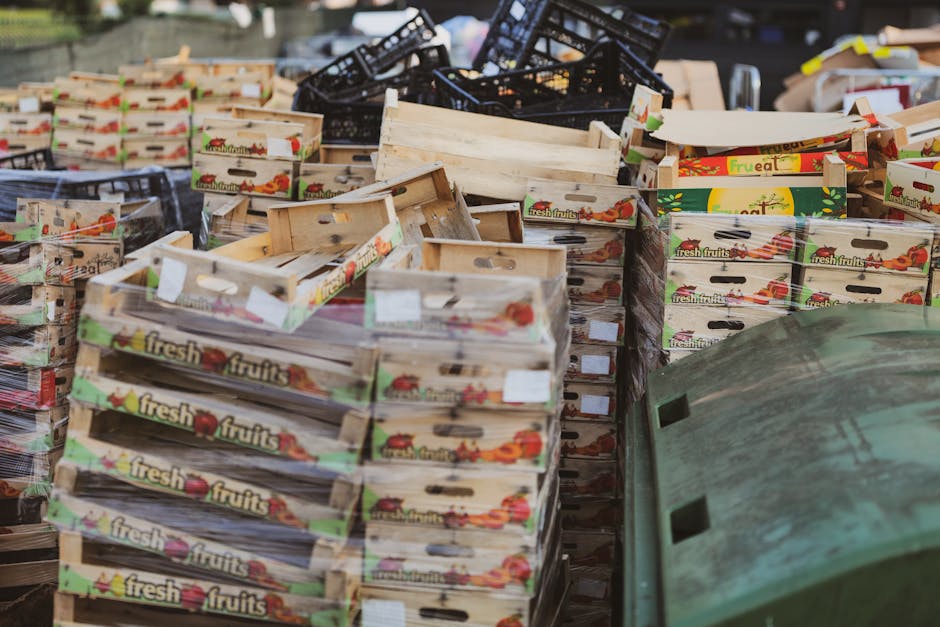
Why Broadway Market bulky rubbish collection tips Hackney Matters
Broadway Market is one of those places where life moves quickly, the pavements can feel busy even on a quiet day, and storage space is rarely generous. Bulky rubbish piles up for ordinary reasons: a tenancy ends, a sofa collapses, a shop refit creates packaging waste, or a loft clear-out finally happens after years of "I'll deal with that later."
That is why good bulky rubbish collection advice matters here. It is not just about getting rid of stuff. It is about doing it safely, with minimal disruption, and without leaving waste sitting around in a shared passage or on a street where access is already tight. In our experience, the difference between a smooth collection and a stressful one is usually preparation. Not fancy gear. Preparation.
There is also the wider Hackney context to think about. Residents often want a tidy, low-hassle solution that fits around work, trading hours, or family life. Businesses near Broadway Market often need a faster turnaround, especially if they are clearing stock, fixtures, or old furniture between busy periods. And to be fair, nobody wants bulky waste hanging around for days because it was underestimated by a single bag or a rushed booking.
Expert summary: the best bulky rubbish collection is the one that matches the item type, the access conditions, the timing, and the disposal route. Get those four things right, and everything else becomes much easier.
If you are planning a larger tidy-up, it can also help to look at broader support like house clearance in Hackney or loft clearance services when the job is more than a single item. For ongoing waste needs, the wider rubbish collection Hackney service page is also worth checking.
How Broadway Market bulky rubbish collection tips Hackney Works
Bulky rubbish collection is usually straightforward, but it works best when you understand the moving parts. The phrase covers large items that do not fit into normal household bins, such as sofas, mattresses, wardrobes, desks, broken shelving, bed frames, white goods, and mixed household clutter. It may also include heavy or awkward items from small businesses, studios, or renovation projects.
The basic process usually looks like this:
- You identify what needs to go and separate reusable, recyclable, and general waste where possible.
- You check access: stairs, lift availability, parking, doorway width, and whether items must be carried through a shared hallway.
- You decide on the best route: self-removal, council-style collection, or a professional waste clearance service.
- You get the item ready for collection, often by disassembling it, removing loose parts, and keeping sharp edges safe.
- The waste is loaded, sorted, and taken for disposal or recycling at an appropriate facility.
That sounds simple. Sometimes it is. Sometimes it isn't. Broadway Market properties can throw up small complications that matter: narrow staircases, tricky loading zones, late-night noise sensitivity, and the usual London parking shuffle. If you ignore those details, a "quick" pickup can easily become the kind of day you remember for all the wrong reasons.
For larger or mixed loads, it is often sensible to compare specialist options. A builder's clean-out may fit better with builders waste disposal in Hackney, while a one-room office refresh may be better handled by office clearance support. The right fit matters more than the cheapest-sounding option.
Key Benefits and Practical Advantages
Good bulky rubbish collection is not just about removing clutter. It delivers practical wins that you notice immediately, and a few that only become obvious later.
- Reclaims space fast: a cleared room feels bigger, lighter, and easier to use the same day.
- Reduces stress: there is something oddly calming about getting rid of that broken chair that has annoyed you for months.
- Improves safety: fewer trip hazards, fewer blocked exits, fewer sharp edges left near children or visitors.
- Saves time: one organised collection can beat several failed car trips and many, many stair runs.
- Supports recycling: separating suitable items helps reduce what ends up as general waste.
- Fits local access realities: professional collection can be a better choice when on-street loading is awkward or unavailable.
For shop owners and landlords around Broadway Market, there is another hidden benefit: presentation. A property that is being prepared for sale, let, or re-use often benefits from looking clear and cared for. If that is part of your plan, you may also find the guidance on selling a Hackney home helpful because it touches on presentation and practical readiness, even though the topic is broader.
And for anyone trying to reduce waste rather than simply move it, the recycling and sustainability approach is worth keeping in mind. Small choices add up. A lot.
Who This Is For and When It Makes Sense
This kind of collection is useful for a lot of people, not just homeowners. Broadway Market is full of mixed-use spaces, compact flats, short-term lets, studios, and businesses that do not have room to let bulky waste linger.
You may need bulky rubbish collection if you are:
- moving out of a flat and need to clear furniture quickly;
- replacing damaged items after a tenancy;
- refreshing a shop, cafe, studio, or office;
- clearing a loft, basement, or storage room;
- disposing of a mattress, sofa, wardrobe, or large appliance;
- sorting post-renovation debris that is too large for normal bins;
- helping a relative downsize or manage a house clear-out.
There is no rule that says you must wait until a room is overflowing. Truth be told, the best time to book a collection is before the waste becomes a blockage. If you have to step around an item every day, it has already become one of those "I'll sort that later" jobs that quietly drains energy.
If the clear-out extends into storage areas, then loft clearance may be the more relevant solution. If it is mostly furniture, then furniture disposal in Hackney can be a smarter route than treating everything as mixed rubbish.
Step-by-Step Guidance
Here is a practical way to manage bulky rubbish collection around Broadway Market without overcomplicating it.
1. Sort the items before you book
Walk through the space and list everything by category: furniture, appliances, general waste, wood, metal, cardboard, textiles, and anything potentially reusable. You do not need a perfect inventory, but you do need a clear picture. A rough "pile count" is fine if the job is small. For larger jobs, notes and photos help a lot.
2. Measure access, not just the item
It is easy to focus on the sofa and forget the staircase. Check door widths, hallway turns, lifts, resident-only entrances, loading space, and whether parking might affect the timing. In a place like Broadway Market, access is often the real challenge, not the item itself.
3. Separate risky or awkward materials
Loose glass, broken timber, nails, sharp metal, damp textiles, and anything leaking should be handled carefully. If an item has detachable parts, remove them first. Keep screws, bolts, and small pieces in a bag if they are likely to spill everywhere.
4. Decide what can be reused or recycled
Not every bulky item needs to be treated as pure waste. Some furniture can be reused, and some material streams can be separated. This is where a sensible collection plan saves both space and disposal effort.
5. Pick the right collection method
Small loads might suit a quick pickup. Mixed property clearances may need a fuller service. Heavy furniture, multiple rooms, or awkward access usually justify a professional team rather than a solo attempt. If you are unsure, it is usually safer to choose the option that reduces handling.
6. Prepare the space for removal
Move smaller items away from the access route, clear trip hazards, and make sure the team can reach the bulky waste without squeezing through a maze of boxes. Small effort here, big payoff later. Honestly, this is where people save the most time.
7. Confirm what happens after collection
Ask how the waste will be managed, especially if you care about recycling or if you are clearing mixed items. A professional service should be able to explain the general process clearly, even if not every item has the same destination.
Expert Tips for Better Results
These are the little things that make a bulky collection smoother around Broadway Market, especially where space is tight and timing matters.
- Photograph the load before booking. Pictures are better than guesswork. They help avoid underestimating volume.
- Disassemble what you safely can. Removing legs, shelves, or bed slats often speeds up collection.
- Keep access clear for a short window. If the route is blocked by bikes, deliveries, or shopping bags, move them first.
- Book with the day's rhythm in mind. Early mornings can be quieter for access; late afternoons may be harder because streets are busier.
- Ask about mixed waste. Mixed loads can be managed well, but the team needs to know what they are dealing with.
- Protect common areas. In flats and shared buildings, a rug, cardboard runner, or some careful lifting can prevent scuffs. Not glamorous, but useful.
One practical tip people often overlook: if you are clearing a property in stages, do the obvious heavy items first. The room feels easier to work in afterwards, and you stop bumping into the same old problem every ten minutes. That sounds small. It is not.
If the job is tied to moving, remodelling, or preparing a property for occupancy, you may also want to read about Hackney from a local perspective to get a better feel for how space and pace work in the area. Local context matters more than people think.

Common Mistakes to Avoid
A lot of bulky rubbish headaches come from a few repeat errors. Nothing dramatic. Just the usual "we thought it would be fine" sort of thing.
- Leaving booking too late: waste builds up, access gets worse, and the job becomes more stressful.
- Underestimating the amount: a single mattress is one thing; a mattress plus dismantled furniture plus bags of clutter is another.
- Ignoring access constraints: this is the big one in older Hackney buildings.
- Mixing everything together: sorting before collection can improve efficiency and reduce handling time.
- Forgetting about lifting safety: some items are heavier than they look. A wardrobe can be cheekily awkward.
- Assuming all services handle the same items: always check whether your waste type is suitable.
- Blocking shared spaces: neighbours may not enjoy a pile of waste sitting in a hallway overnight. Fair enough, really.
Another mistake is treating bulky rubbish like ordinary bin waste. It is not. Bigger loads need planning, and sometimes a different service altogether. If you are dealing with a property-wide clear-out, waste clearance in Hackney can be a better starting point than trying to force everything into one narrow category.
Tools, Resources and Recommendations
You do not need specialist equipment for every collection, but a few simple tools make the process safer and neater.
- Work gloves: useful for rough edges, splinters, and dusty surfaces.
- Strong bin bags: for loose soft waste, packaging, and small broken pieces.
- Basic screwdriver or hex key set: handy if furniture needs to be partly dismantled.
- Mask: useful if you are dealing with dusty lofts or older storage spaces.
- Tape and marker: label cables, drawers, or reusable parts so they do not disappear into the chaos.
- Trolley or sack truck: worth it for heavier items if you are moving them yourself.
On the service side, it helps to know the broader support available. The services overview page gives a practical view of the different clearance options, while pricing and quotes can help set expectations before you commit. That saves a lot of back-and-forth.
If safety is a concern - and with bulky items, it often should be - the insurance and safety information is worth a look. Also, for the less exciting but still important side of things, you can review about us if you want a better sense of who is doing the work and how the business presents itself.
Law, Compliance, Standards, or Best Practice
With bulky rubbish, the main thing is to stay on the right side of everyday UK waste expectations. You do not need to turn into a compliance expert, but you should understand the basics.
Duty of care matters. If you hand waste to someone else, you should be reasonably satisfied that it will be handled properly. That usually means choosing a reputable operator and keeping clear records of what was collected, especially for business waste or mixed loads.
Be careful with fly-tipping risks. If a collection sounds suspiciously cheap and there is no clear process, that is a red flag. Let's face it, nobody wants their old sofa dumped in a lane and traced back to them later.
Some waste types need extra caution. Items with electrical parts, fluids, sharp components, or contamination should be disclosed in advance. The same goes for anything bulky but unusual, such as large metal fittings, damaged fixtures, or waste from work being done in a property.
Common best practice:
- describe the waste honestly;
- separate items where possible;
- avoid blocking communal areas;
- check collection timing carefully;
- keep communication clear if access is tight.
For businesses or landlords, it can also help to keep a simple internal note of what was cleared and when. Nothing complicated. Just enough to avoid confusion if someone asks later. And if you handle waste regularly, the page on payment and security may help reassure you about the practical side of booking and transactions.
Options, Methods, or Comparison Table
There are several ways to deal with bulky rubbish around Broadway Market. The best one depends on time, item size, access, and how much lifting you want to do yourself.
| Method | Best For | Pros | Trade-offs |
|---|---|---|---|
| Self-removal | Small items, easy access, one-off loads | Flexible, potentially low cost | Time-consuming, physically demanding, parking and transport issues |
| Professional bulky waste collection | Mixed loads, awkward access, heavier furniture | Fast, convenient, less lifting for you | Usually costs more than doing it yourself |
| House clearance service | Full property or multiple rooms | Handles larger volumes in one go | May be more than you need for one or two items |
| Furniture-focused disposal | Sofas, beds, wardrobes, tables | Efficient for bulky household pieces | Less suitable for mixed waste or renovation debris |
| Office or builders waste disposal | Commercial or renovation-related items | More tailored to worksite needs | Needs clearer item description upfront |
In simple terms, choose the route that matches the mess. That sounds obvious, but it saves people a surprising amount of grief.
Case Study or Real-World Example
Imagine a small flat near Broadway Market after a tenancy changeover. The main problem is not a mountain of waste. It is three awkward things: a flat-pack wardrobe that has already been half dismantled, a mattress that will not bend the right way, and a pile of mixed clutter from a cupboard that nobody wanted to open until the very last minute.
The resident first checks access. The building has a narrow stairwell and a shared entrance. There is no lift, and parking is limited during the day. Rather than trying to move everything in separate car trips, the items are sorted into manageable groups. Loose bits are bagged. The wardrobe is broken down further. The mattress is kept clean and ready to move. A collection window is booked for a quieter time of day.
What changes the outcome? Three things: the resident measured access properly, grouped the waste sensibly, and kept the route clear. The pickup itself becomes much faster, and the flat is usable again that same day. No drama. No repeated lifting. Just a tidy finish and a much better feeling when you walk back in.
That is the real point of good bulky rubbish collection tips. Not perfection. Just fewer surprises.
Practical Checklist
Use this before collection day. It helps more than you'd think.
- Identify every bulky item that needs removing.
- Separate reusable, recyclable, and general waste where possible.
- Measure doors, stair turns, lifts, and access points.
- Check for sharp edges, broken glass, or loose parts.
- Disassemble furniture if it can be done safely.
- Clear the access route in advance.
- Confirm the collection time and any parking or entry issues.
- Keep business or tenancy details handy if needed.
- Make sure children and pets are away from the working area.
- Ask how items will be handled after collection if recycling matters to you.
Quick reality check: if you are still unsure after ticking most of the list, that probably means the job is big enough to benefit from professional help.
Get a free quote today and see how much you can save.
Conclusion
Broadway Market bulky rubbish collection does not have to be complicated. The best results usually come from steady preparation, honest item descriptions, and a realistic view of access. Once you stop treating bulky waste like a last-minute nuisance and start treating it like a small project, the whole thing gets easier.
Whether you are clearing one sofa, a room full of old furniture, or a mixed load from a flat, shop, or office, the same principles apply: sort first, measure access, protect shared spaces, and choose the right method for the size of the job. That is how you avoid the common traps and keep the day moving smoothly.
If you want a more local perspective on Hackney life and property, the guide on discovering Hackney's character can be a nice companion read. Different topic, yes - but it helps ground the way people actually live and work around here.
And if your clearance is part of a bigger life change, such as moving, renovating, or resetting a space, do it in a way that feels calm rather than rushed. That little bit of planning can make a surprisingly big difference.
There is a quiet satisfaction in seeing a cluttered room become usable again. Simple as that.
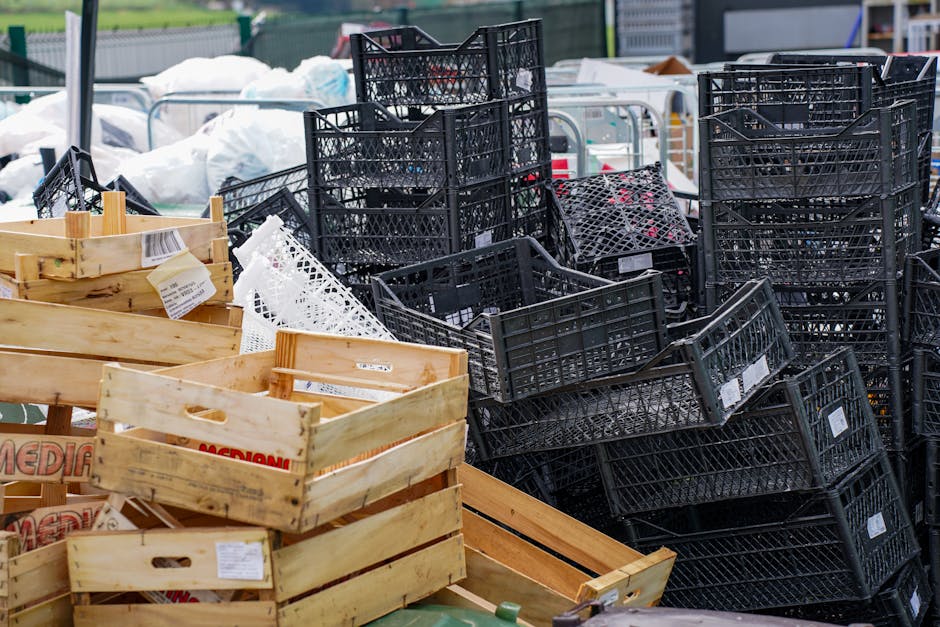

 Tipper Van - Waste Clearance and Garden Waste Removal Prices in Hackney, E5
 Luton Van - Waste Clearance and Garden Waste Removal Prices in Hackney, E5

